Some plants might look low maintenance at first, but over time they can become a real problem around homes, driveways and outdoor areas.

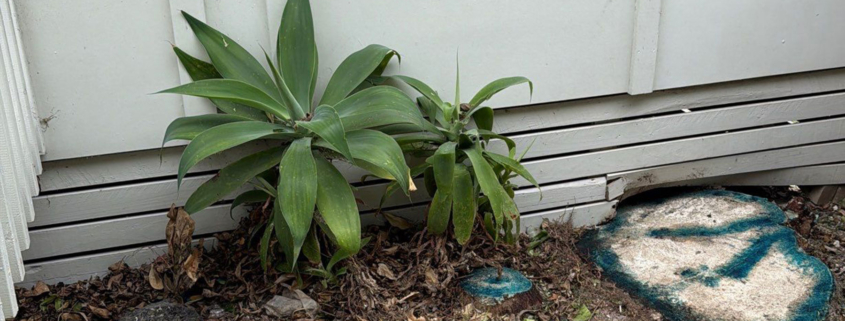
Plants like yukkas, toi tois, flaxes and agapanthus are well known for their aggressive root systems, fast spread, and tough removal. If they are planted too close to a house, driveway, path or boundary, they can start causing damage before you even realise it.

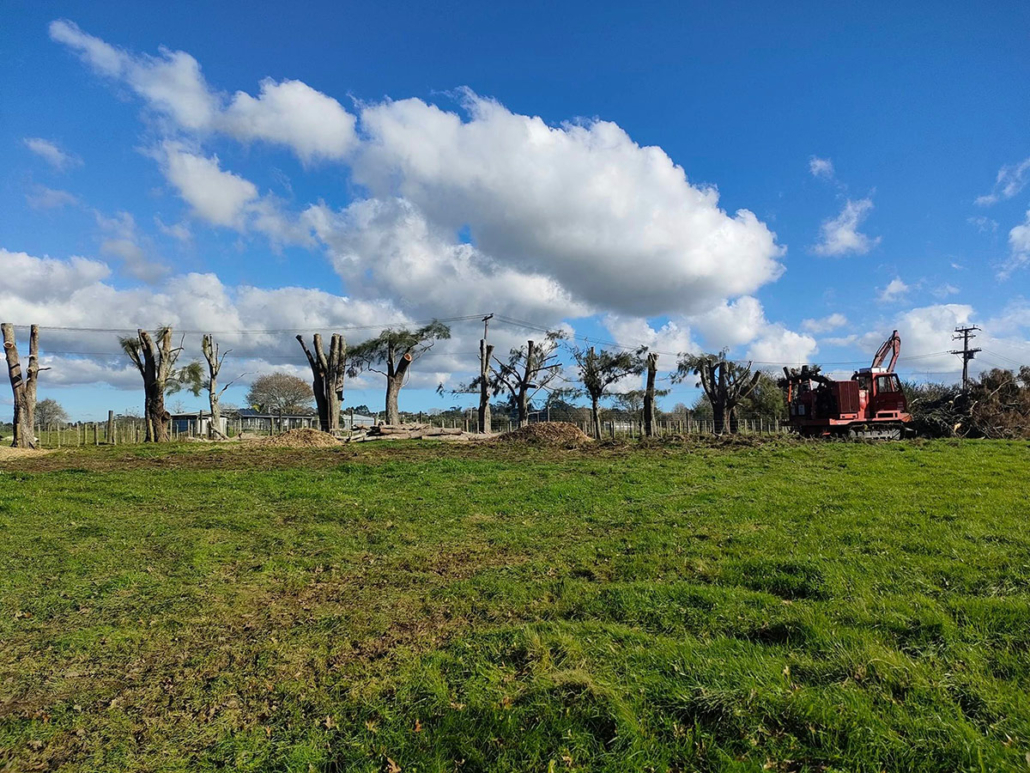
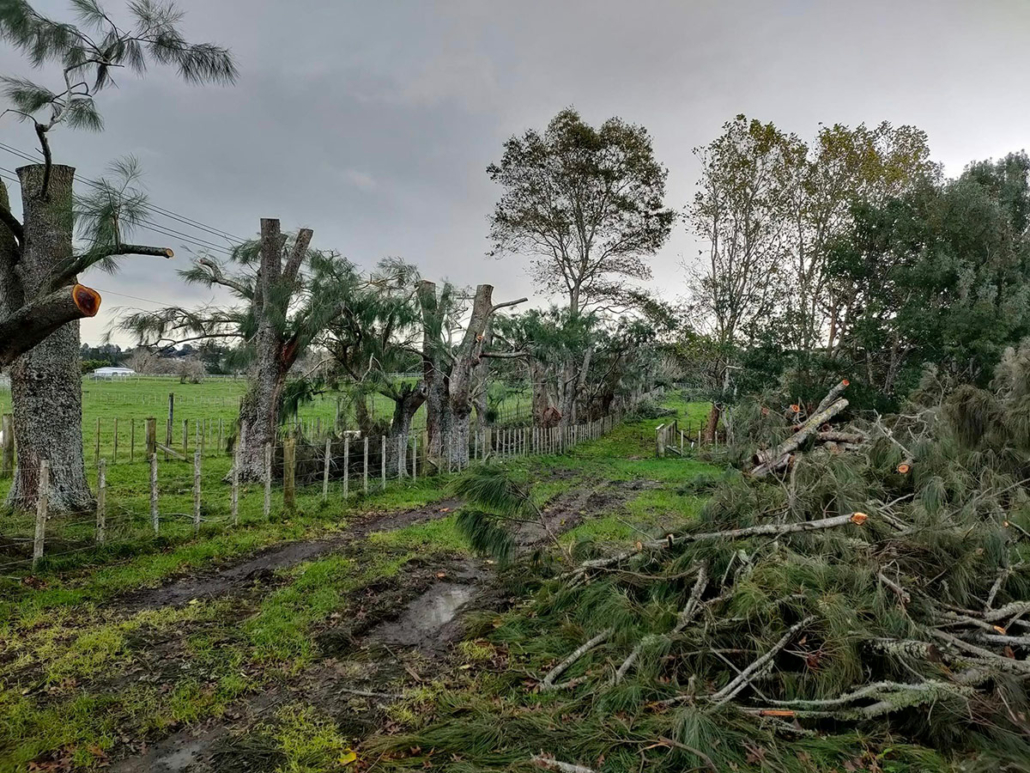
We help remove problem plants safely and efficiently using the right specialist equipment, making it easier to protect your property and reclaim the space.

Why some plants become a problem

Not all plants stay where they are supposed to. Some spread quickly, send roots deep into the ground, or become extremely hard to remove once established. While they may have originally been planted for privacy, structure or low maintenance landscaping, certain varieties can end up causing more hassle than they are worth.

Plants such as yukkas, toi tois, flaxes and agapanthus can become difficult to manage as they mature. Their roots can spread into unwanted areas, their base growth can become dense and heavy, and removing them properly often takes more than basic garden tools.

Common problem plants we remove

The Avant Mini Loader brings a range of practical benefits to tree maintenance and removal work:

  • Yukkas

    Yukkas are tough, spiky plants with strong root systems that can be very difficult to remove once established. They are known for regrowth and often need proper equipment to fully remove the plant and root mass.

  • Toi tois

    Toi tois can grow large very quickly and become hard to manage if planted too close to buildings, fences or accessways. Their size and dense root base can make removal a much bigger job than expected.

  • Flaxes

    Flaxes are commonly used in landscaping, but mature plants can become heavy, overgrown and difficult to deal with. Their root systems can make them stubborn to remove, especially in tighter spaces near structures or hard surfaces.

  • Agapanthus

    Agapanthus spreads easily and forms thick clumps that are notoriously hard to get rid of. It can take over garden beds, edges and boundary areas, and once established it often needs specialist equipment for proper removal.

Damage problem plants can cause

When these plants are too close to structures or hard surfaces, they can start creating costly issues around the property.

  • Driveway and path damage

    Strong roots and dense clumping growth can put pressure on driveways, paved areas and paths, leading to lifting, cracking or movement over time.

  • Damage near homes and buildings

    If planted too close to the house, some problem plants can trap moisture, crowd cladding, and create pressure around exterior surfaces. In some cases, this can contribute to damage or make maintenance and inspection much harder.

  • Boundary and access issues

    Overgrown plants can block accessways, crowd fences, affect visibility, and make general property maintenance more difficult.

  • Ongoing regrowth and maintenance

    Cutting them back is often only a temporary fix. Many problem plants regrow quickly, which means the issue keeps coming back unless they are properly removed.

When it is time to remove problem plants

If problem plants are cracking driveways, crowding your house, blocking access, trapping moisture against cladding, or constantly growing back no matter how often they are cut down, it is usually time to remove them properly. Plants like yukkas, toi tois, flaxes and agapanthus are often much harder to deal with than they first appear, especially once they are well established or growing close to structures.

Trying to remove them yourself can be time consuming, physically demanding, and often ineffective if the roots are not fully dealt with.

Using a professional team with strong specialist equipment means the plants can be removed more efficiently, with less disruption, and with less risk of ongoing regrowth or damage around driveways, paths, fences and buildings.

Get in touch

If you have yukkas, toi tois, flaxes, agapanthus or other hard to manage plants causing problems around your property, Jessep Contracting can help. We use specialist equipment to remove tough plants efficiently and safely, helping protect your home, driveway and outdoor spaces. Get in touch with our team to chat about your site.
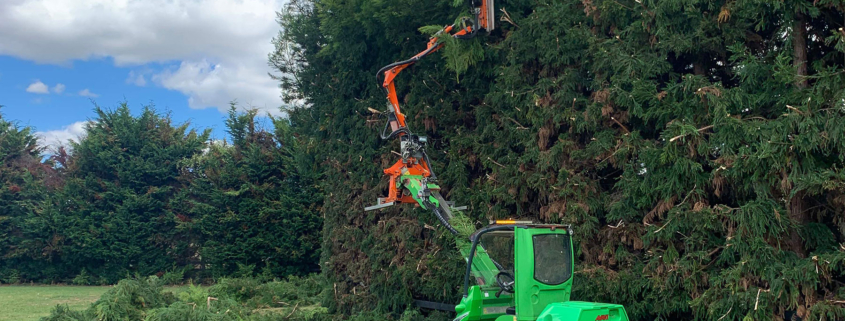
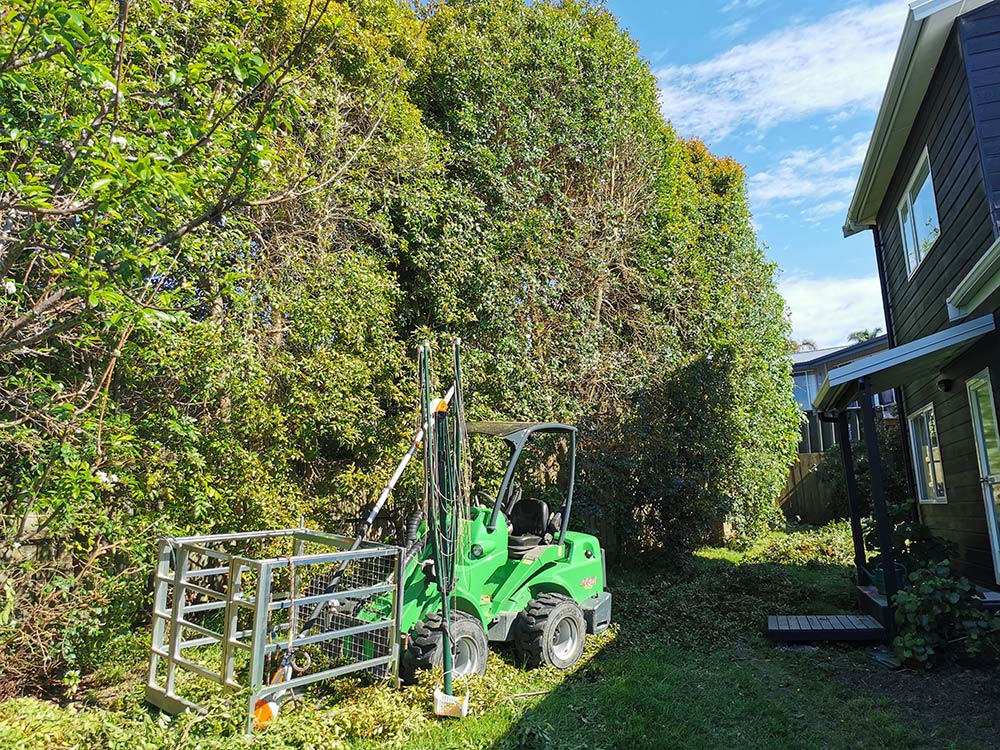
Keeping shelter belts trimmed and under control is an important part of maintaining rural land.

Overgrown shelter belts can block sunlight, affect neighbouring areas, make access harder, and create extra maintenance issues if left too long. For farms, orchards, vineyards and other agricultural properties, regular shelter belt trimming helps keep the land working as it should while improving the overall look and function of the property.

Jessep Contracting provides shelter belt trimming for a wide range of rural clients, using the right equipment to get the job done efficiently, safely and with minimal disruption.

professional shelter belt trimming saves time and hassle

Shelter belt trimming might seem like something you could tackle yourself, but on larger rural properties it can quickly become a big job. Using a professional team with the right equipment means the work can be completed much faster, more safely, and with a far better result.

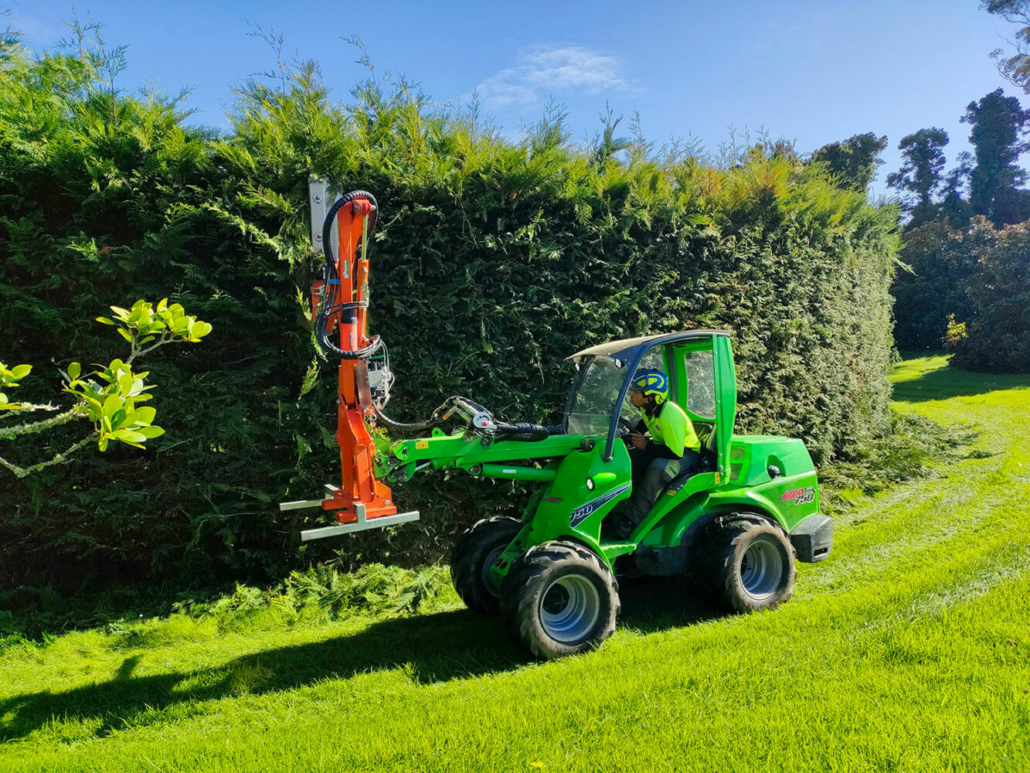
Our equipment allows us to trim efficiently while mulching as we go, which means there is far less mess left behind and little to no clean up required for the client. That saves time, reduces hassle, and makes the whole process much easier compared with doing it yourself.

There is also the cost factor to consider. Hiring machinery yourself can be expensive, especially once you add in transport, fuel, time on site and the learning curve of using it properly. Bringing in an experienced team often makes far more sense when you look at the time, effort and cost involved.

Benefits of professional shelter belt trimming

Using a team with the right equipment offers a number of clear advantages:

  • Faster results

    We can complete shelter belt trimming in a fraction of the time it would take to do it manually or with hired equipment.

  • Less clean up

    Our equipment mulches as it goes, which means clients are not left with large piles of cut material to deal with afterwards.

  • Safer on site

    Shelter belt trimming can involve height, heavy branches and difficult access. Using experienced operators and purpose suited equipment helps make the job much safer.

  • More cost effective

    When you factor in machinery hire, transport, fuel and your own time, DIY can end up costing more than expected.

  • Better for larger properties

    For farms, orchards, vineyards and agricultural land, using proper equipment is often the only practical way to get the job done efficiently.

Who shelter belt trimming is ideal for

Shelter belt trimming is a valuable service for a wide range of rural and agricultural properties.

  • Farms

    Helping maintain boundaries, improve access, and keep shelter belts from becoming overgrown or unmanageable.

  • Orchards

    Keeping shelter belts tidy so they do not interfere with light, airflow or access around productive growing areas.

  • Vineyards

    Supporting better property presentation and helping prevent shelter belts from impacting vine rows, access or surrounding land.

  • Lifestyle blocks and rural properties

    A practical option for landowners who want to keep their property tidy and functional without taking on a major job themselves.

  • Agricultural sites

    Suitable for a range of rural businesses and land based operations that need shelter belts managed efficiently.

Why regular shelter belt maintenance matters

Regular trimming helps stop shelter belts from getting too large, too dense or too difficult to manage. It can help maintain better access, improve sunlight and airflow in nearby working areas, and keep the property looking well cared for. Staying on top of shelter belt maintenance can also help avoid a much bigger and more expensive job later on.

Get in touch

If you need shelter belt trimming for a farm, orchard, vineyard or rural property, Jessep Contracting has the team and equipment to get it done efficiently. Get in touch with us to chat about your property and how we can help keep your shelter belts under control.


When it comes to efficient tree work, having the right equipment on site can make all the difference.

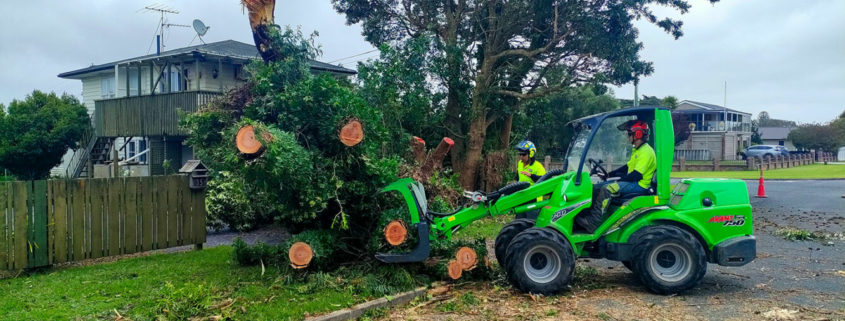
Our Avant Mini Loader is one of those machines we rely on every day because it helps us work smarter, safer and more efficiently across a wide range of jobs. From tight back yards and narrow city streets through to larger rural properties, it is a compact but powerful machine that makes tree maintenance and removal work much easier.

Why we use the Avant Mini Loader

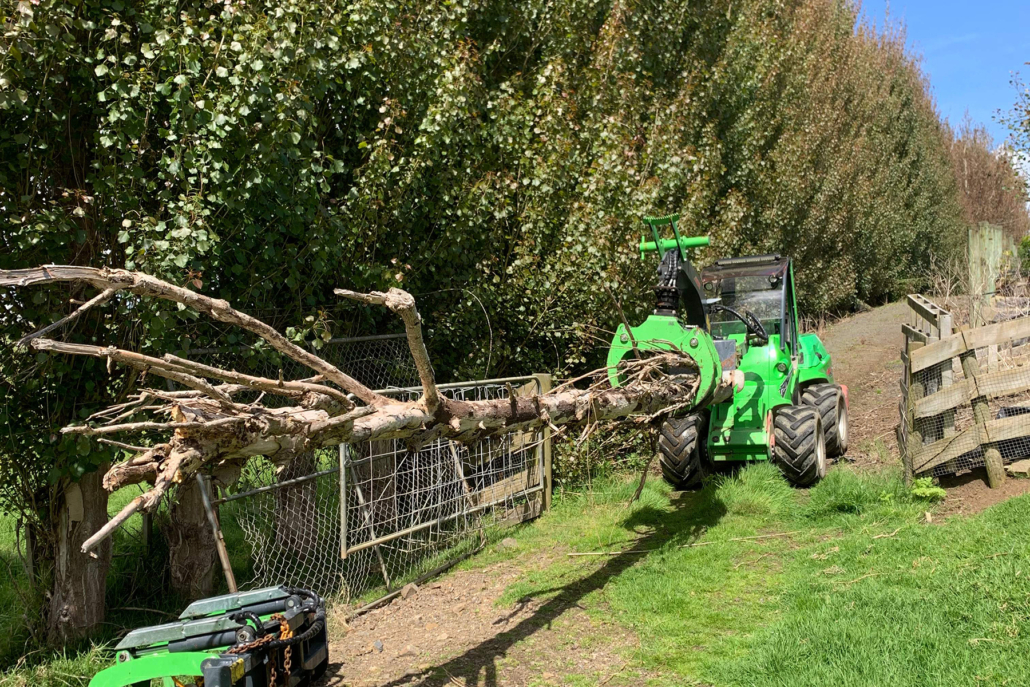
The Avant Mini Loader is ideal for tree work because it combines lifting power, manoeuvrability and versatility in one compact machine. It can lift and handle large tree trunks, move branches to the chipper with ease, and help reduce worker fatigue by taking care of the heavy lifting on site. That means a faster, safer and more efficient job, especially when there is a lot of material to move.

Its compact size also makes it a great option for sites where access is limited. Whether we are working in a back yard, along a narrow urban street or on uneven rural ground, the machine is able to get in and get the job done with less disruption.

Benefits of the Avant Mini Loader

The Avant Mini Loader brings a range of practical benefits to tree maintenance and removal work:

  • Versatile

    It can be fitted with a wide range of hydraulic attachments, including log grapples, root rakes, 4 in 1 buckets, rakes, forks, hedge trimmers and man cages. This makes it useful for a variety of tree work applications, from lifting and clearing to trimming and site clean up.

  • Efficient

    Designed to carry heavy loads and work hard on site, the Avant helps our crew move logs, branches and brush quickly and easily. It speeds up the job and makes handling larger materials far less labour intensive.

  • Manoeuvrable

    Its compact design means it can move through tight spaces, which is ideal for urban environments and back yard work. At the same time, it is 4×4 capable, so it also performs well on rougher terrain and rural properties. Its lightweight design also helps reduce damage to the surrounding ground and environment.

  • Cost effective

    Because it is a multipurpose machine that can handle a range of tasks with different attachments, it can help reduce the need for multiple machines on site. That means a more efficient job and better value overall.

  • Precision work

    The Avant offers excellent control, allowing precise work to be carried out more easily and safely. This is especially useful when working in tighter areas or around structures, gardens and landscaped spaces.

Where the Avant Mini Loader works best

One of the biggest advantages of this machine is how adaptable it is across different site types.

  • Back yards and residential properties

    Its compact size makes it ideal for working in tighter spaces where larger machinery would struggle.

  • Narrow city streets and urban sites

    It is easy to manoeuvre in built up areas, helping us complete tree work more safely and efficiently where space is limited.

  • Larger rural properties

    With 4×4 capability and strong lifting power, it is also well suited to rougher ground and bigger open spaces.

Avant Mini Loader specs

The Avant Mini Loader combines compact size with impressive capability, making it a practical choice for a wide range of tree work jobs.

  • Length: 3.1m

  • Lift capacity: 1400kg

  • Lift height: 3m

  • Diesel engine power: 49 hp

  • Travel speed: 24 km/h

Get in touch

If you need tree work carried out on a residential, urban or rural property, Jessep Contracting has the equipment and experience to get it done efficiently. Get in touch with our team to chat about your job and how we can help.

Choosing the right wood can make a big difference to the flavour, heat and overall cooking experience of your braai, BBQ or pizza oven.

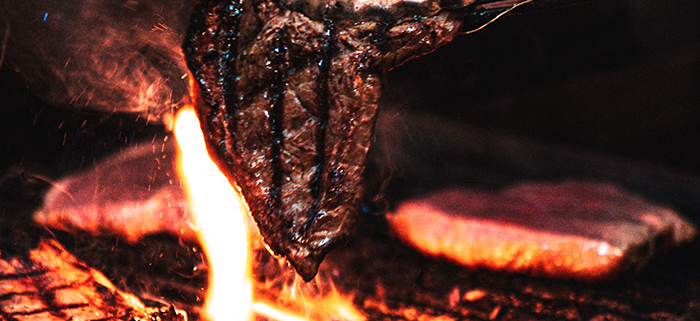
Some woods are best for long lasting coals and steady heat, while others are ideal for adding a sweeter, lighter or more distinctive smoke flavour. At Jessep Contracting, we stock a wide range of braai and BBQ woods in New Zealand, including native hardwoods, exotic woods, fruit woods, and specialty smoking options to suit different meats, cooking styles and flavour preferences.

Best woods for long heat, strong coals and all round cooking

If you are looking for woods that burn well, hold heat and give you a reliable base for cooking, there are a few standout options worth knowing about.

  • Manuka and Kanuka

    Dense New Zealand hardwoods that produce long lasting coals, clean smoke, and a medium to strong sweet and musky flavour. Great for all round cooking, especially beef, lamb, pork, seafood and game.

  • Pohutukawa

    A popular native hardwood with a long slow heat output and mild smoke flavour, ideal for steady cooking and especially well suited to pork, poultry and seafood.

  • Puriri

    A strong burning native hardwood that burns long and hot, making it ideal for BBQ cooking, open fires and pizza ovens.

  • Oak

    One of the most popular exotic woods for cooking, with a medium smoky flavour that also makes it great for mixing with other woods.

  • Olive Wood

    Burns slowly and evenly with a mild but distinctive smoke flavour, making it a great all round option for braais, BBQs and pizza ovens.

Best woods for beef, lamb and game

If you are cooking beef, lamb or game, these woods are all strong options depending on the flavour and burn style you want:

  • Manuka and Kanuka

    Dense hardwoods that produce long lasting coals with a medium to strong sweet and musky flavour. Great for beef, lamb and game.

  • Oak

    A popular exotic wood with a medium smoky flavour, ideal on its own or mixed with other woods.

  • Banksia Wood

    Produces a gentle smoke with a mild nutty flavour, especially well suited to beef, lamb and game. Its rich reddish colour and striking grain also make it one of the more unique woods available.

  • Olive Wood

    Burns slowly and evenly with a mild but distinctive smoke flavour, ideal for red meats and slower cooking.

Best woods for pork, poultry and seafood

For lighter meats and seafood, these woods are popular for their gentler, sweeter smoke flavours:

  • Pohutukawa

    A New Zealand native hardwood with long slow heat and a mild smoke flavour, especially good for pork, poultry and seafood.

  • Flowering Cherry

    Adds a mild fruity sweetness that works well with pork, poultry, some seafood and game.

  • Apple Wood

    A subtle sweet and fruity option that is a reliable favourite for pork, poultry, some seafood and game birds.

  • Citrus Woods

    Including Grapefruit, Lime and Orange, these create an aromatic mild smoke that suits chicken, fish, lamb and vegetables.

  • Orange Wood

    Creates beautiful citrus aromas and pairs especially well with pork, poultry, seafood and lamb.

  • Plum Wood

    Adds a mild smoky flavour with a hint of sweetness, ideal for pork, seafood and poultry.

  • Pear Wood

    Burns with a subtle fruity flavour and a touch of sweetness, great for beef, pork, seafood and poultry.

  • Peach and Nectarine Wood

    A light fruity and mildly sweet option, sometimes offered as a Stone Fruit Medley, that suits pork, seafood and poultry.

Best woods for pizza ovens and specialty flavour

If you want strong heat for pizza ovens or something more unique for flavour, these are worth considering:

  • Puriri

    Burns long and hot, making it a great option for pizza ovens, open fires and BBQ cooking.

  • Olive Wood

    Ideal for pizza ovens thanks to its slow even burn and rich flavour profile.

  • Orange Tree Roots

    A rare option that can add an amazing citrus aroma to your cooking. These have a bit of BBQ history behind them too, with Californian BBQ restaurants in the 1940s and 50s becoming known for using them.

  • Banksia Cones

    A simple way to add mild sweet flavour and gentle smoke to charcoal, or even directly onto a gas BBQ grill. They pair especially well with Cherry Wood.

  • Casurina Nuts

    Small but powerful, with a handful going a long way and adding terrific flavour for those wanting to try something different.

Our wood range

We stock a wide range of braai and BBQ woods, including New Zealand natives like Manuka, Kanuka, Pohutukawa and Puriri, exotic options such as Oak, Banksia and Olive, and fruit woods including Cherry, Apple, Citrus, Orange, Plum, Pear, and Peach and Nectarine. We also offer specialty smoking products like Orange Tree Roots, Banksia Cones and Casurina Nuts for those wanting to try something a little different.

Choosing the best braai wood for your cooking

The best braai or BBQ wood for you really depends on what you are cooking and the flavour you want to achieve. If you want strong coals and long burn time, Manuka, Kanuka and Puriri are excellent options. If you are after a more distinctive smoke flavour, Oak, Olive and Banksia are all worth considering. If you prefer something lighter and sweeter, fruit woods like Cherry, Apple, Citrus, Plum and Pear are a great fit. And if you enjoy experimenting, specialty products like Orange Tree Roots, Banksia Cones and Casurina Nuts can add something a little different to your cook up.

Get in touch

Whether you are after the best wood for beef, seafood, pizza ovens or all round braai cooking, Jessep Contracting can help you find the right option. We stock a wide range of quality braai and BBQ woods and are always happy to help with advice, availability and current pricing. Get in touch with our team to find the best wood for your next cook up.